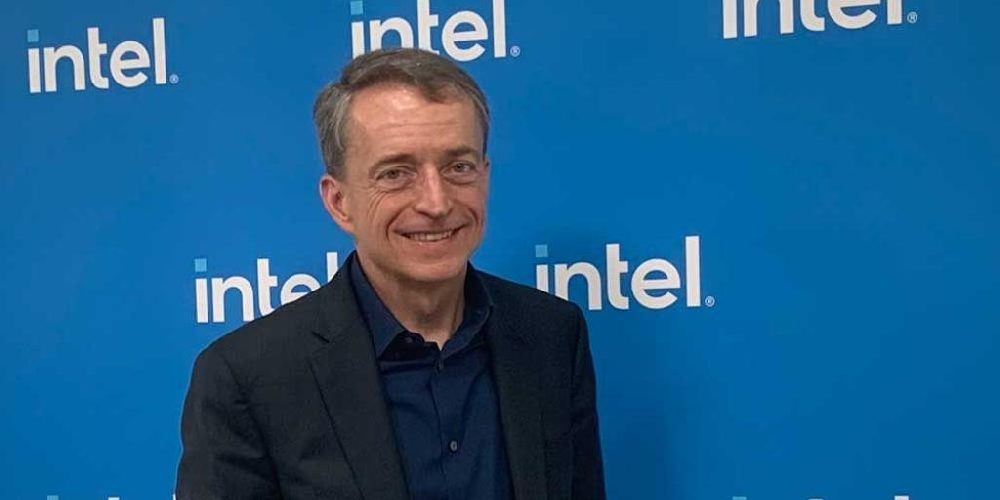
Recently, Pat Gelsinger, the Chief Executive Officer (CEO) of Intel, announced his retirement. This news has sparked widespread attention in the semiconductor industry. As one of the world's leading chip manufacturers, the leadership change at Intel not only marks its internal transformation but also reflects the profound technological changes and shifts in the market competition landscape that the chip industry is experiencing. Especially driven by artificial intelligence (AI) and high-performance computing (HPC), Intel failed to respond promptly to changes in market demand, resulting in its gradual loss of the leading position in multiple fields. This article will explore in depth the industry trends behind this event and analyze its potential impact on international students' job hunting.
Challenges Faced by Intel
Intel, as one of the world's largest semiconductor companies, has long dominated the PC and server markets. However, in recent years, its lagging behind in technological innovation, manufacturing processes, and market competition has gradually exposed its weaknesses in the AI and data center fields. Intel failed to respond quickly to the rapid development of AI and cloud computing. Particularly in the fields of graphics processing units (GPU) and AI accelerators, it has been gradually overtaken by competitors such as NVIDIA and AMD. Even more seriously, Intel is under tremendous pressure in chip manufacturing processes. The lead of TSMC (Taiwan Semiconductor Manufacturing Company) and Samsung in advanced process technologies (such as 7-nanometer and 5-nanometer) has made Intel unable to maintain its advantage in chip manufacturing. Although Intel has invested heavily in technological restructuring in recent years and launched a series of new products, it has failed to effectively catch up with the trend of technological development, resulting in a gradual decline in its share of the global semiconductor market. With Gelsinger's retirement, Intel will face a critical moment of finding a new leader and formulating a new strategy. This change is not only relevant to Intel's future but also reveals the challenges and opportunities faced by the entire semiconductor industry. AI-driven Transformation and the Competition in Process Technologies Intel's predicament reveals some key trends in the semiconductor industry, especially the dominant positions of artificial intelligence and process technologies.
1. The Rise of AI and High-performance Computing
AI and high-performance computing (HPC) have become the core competitiveness of the semiconductor industry. With the popularization of AI applications, especially in fields such as deep learning, natural language processing, and image recognition, the demand for computing power is constantly increasing. NVIDIA, by virtue of its advantage in graphics processing units (GPU) in AI-accelerated computing, has successfully snatched the market share of data centers and AI hardware from Intel. Moreover, Intel's layout in the AI field was relatively lagging, and it failed to timely launch AI accelerators and GPU products that could compete with NVIDIA, resulting in a significant weakening of its influence in this field. This trend has not only affected Intel but also spurred the entire industry to carry out more innovations in accelerators, custom chips, and dedicated hardware.
2. The Core Competitiveness of Process Technologies
The competition in chip manufacturing technologies remains at the core of the semiconductor industry. The lead of TSMC and Samsung in process technologies of 7-nanometer and below has enabled them to dominate global chip production. TSMC not only provides advanced chip foundry services for companies like Apple, AMD, and NVIDIA but also enables these companies to produce chips with stronger performance and higher energy efficiency through its advanced process technologies, thereby seizing market share. In contrast, Intel's technological progress has been relatively slow. The delay in the 7-nanometer process has led to the gradual outperformance of its processors by those of other competitors. As the importance of process technologies becomes more prominent, whether semiconductor companies can maintain their lead in manufacturing processes has become a key factor in their ability to compete in the global market.
Impact on International Students' Job Hunting
With these changes in the semiconductor industry, especially the rapid development in the fields of AI and high-performance computing, international students need to pay attention to the following aspects when looking for jobs:
1. Technological Innovation and Changes in Industry Demand
With the rapid development of fields such as AI, machine learning, and data science, international students should strengthen their learning and practice of relevant technical skills when looking for jobs. Especially for those who aspire to enter the semiconductor, chip design, or AI fields, mastering technologies related to GPUs and AI accelerators will be the key to enhancing competitiveness. Meanwhile, understanding the latest progress of industry giants such as NVIDIA and TSMC in the AI and semiconductor fields will help international students demonstrate a profound understanding of the future trends of the industry in interviews.
2. Job Opportunities in Data Centers and Cloud Computing
With the rapid expansion of cloud computing and data center businesses, many technology companies are actively looking for high-end talents in areas such as data center management, hardware design, and AI computing. If international students can combine their academic backgrounds in computer science, electronic engineering, etc., and have an in-depth understanding of how to design, manage, and optimize data centers, especially in applications such as AI-accelerated computing and GPU processing, their employment opportunities in these areas will be greatly increased.
3. In-depth Involvement in Process Technologies and Chip Design
For international students who intend to enter the semiconductor industry, it is particularly important to understand the latest developments in chip manufacturing technologies. Understanding advanced process technologies, such as 7-nanometer and 5-nanometer chip production processes, may open up opportunities for job seekers to enter top enterprises in the industry, such as TSMC and Intel. Participating in process design, hardware development, and related research and development work will be an important way to enhance employment competitiveness. The retirement of Intel's Chief Executive Officer, although an important event at the company level, also reveals the technological transformation and market restructuring that the entire semiconductor industry is undergoing. With the rise of fields such as AI, data centers, and GPUs, the future of the semiconductor industry will place more emphasis on innovation and technological leadership. For international students, closely following industry trends and mastering relevant technologies and professional knowledge will provide strong competitiveness for entering this industry full of opportunities and challenges. Aizhimo matches you with excellent mentors from big companies, provides one-on-one personalized career guidance, resume refinement, sharing of written test and interview experiences, offers official internship certificates for 3 times, and has an official internal referral opportunity with a high admission rate of up to 90%. Don't miss these opportunities. We will also continuously update job dynamics, connect in real time with excellent mentor resources from the Big Four, FMCG, the eight major investment banks, Amazon, Google, and other major enterprises to safeguard your work and internship.